The Security, Convenience, and Calm of Small-Scale Dementia Care Residences
Business Name: BeeHive Homes of Maple Grove
Address: 14901 Weaver Lake Rd, Maple Grove, MN 55311
Phone: (763) 310-8111
BeeHive Homes of Maple Grove
BeeHive Homes at Maple Grove is not a facility, it is a HOME where friends and family are welcome anytime! We are locally owned and operated, with a leadership team that has been serving older adults for over two decades. Our mission is to provide individualized care and attention to each of the seniors for whom we are entrusted to care. What sets us apart: care team members selected based on their passion to promote wellness, choice and safety; our dedication to know each resident on a personal level; specialized design that caters to people living with dementia. Caring for those with memory loss is ALL we do.
14901 Weaver Lake Rd, Maple Grove, MN 55311
Business Hours
Families normally pertain to dementia care at a moment of pressure. A parent is roaming in the evening. A spouse is exhausted from absence of sleep. Medication schedules slip. Meals become irregular. Everybody knows something has to change, however no one desires a loved one swallowed into an institutional setting that feels cold and anonymous.
This is where small dementia care homes can make all the distinction. When they are done well, they integrate the best parts of assisted living, memory care, and respite care, inside an environment that feels more like a real home than a center. They will not fit every budget or every medical situation, but for lots of people they use a safer, calmer, and frequently more dignified way to navigate the later phases of dementia.
I have actually strolled through big memory care wings with 40 or more citizens. The care groups typically worked hard and cared deeply, yet the scale itself produced sound, confusion, and a sense of being "processed." I have actually also sat at the kitchen area table of a six-resident dementia care home where a caretaker was making grilled cheese, one resident was folding towels, another was humming to music, and a 3rd was resting in a recliner chair within arm's reach. Very same diagnosis, absolutely different experience.
Understanding what makes these small homes work, and when they are a good fit, can help families make clearer decisions in the middle of a psychological time.
What "small-scale" dementia care really means
The term "small" gets used loosely in senior care marketing. In practice, it normally describes a residential setting with a limited variety of locals, often certified under assisted living or board-and-care regulations rather than as a competent nursing facility.
Typical functions consist of:
- Resident capacity in the single digits or low teens, not dozens.
- A house-like environment, typically literally a transformed home in a residential neighborhood.
- An emphasis on dementia care, with specialized training in memory impairment.
- Shared typical locations that seem like a household: living room, dining table, kitchen area in view.
- Staff who interact with locals throughout the day, not just throughout "care tasks."
That said, not every little center is immediately great, and not every large community is immediately impersonal. Size affects the everyday experience, however culture, management, training, and staffing patterns matter a lot more. The advantage of small-scale dementia care is that, when those ingredients are present, the setting enables them to shine.
Safety: less blind areas, more eyes on the person
For families, safety is normally the beginning concern. Roaming, falls, medication mistakes, and self-neglect are the issues that usually force the shift from home to some form of senior care.
Small-scale dementia care homes tend to enhance security in a couple of concrete ways.
First, less homeowners indicate less blind spots. In a six-bed home, a resident can stand from a recliner or push back from the dining table and somebody is most likely to see within seconds, just since the staff is working and circulating in the very same space. In a large memory care wing, citizens might be spread throughout long corridors, numerous activity spaces, and a central dining location, making it easier for somebody to shuffle off unnoticed.
Second, the physical environment is easier to navigate. A smaller house has less complicated turns, much shorter ranges in between bed room and bathroom, and less doorways to test. That decreases the threat of getting lost within the structure, which in turn reduces agitation and the urge to "get away."
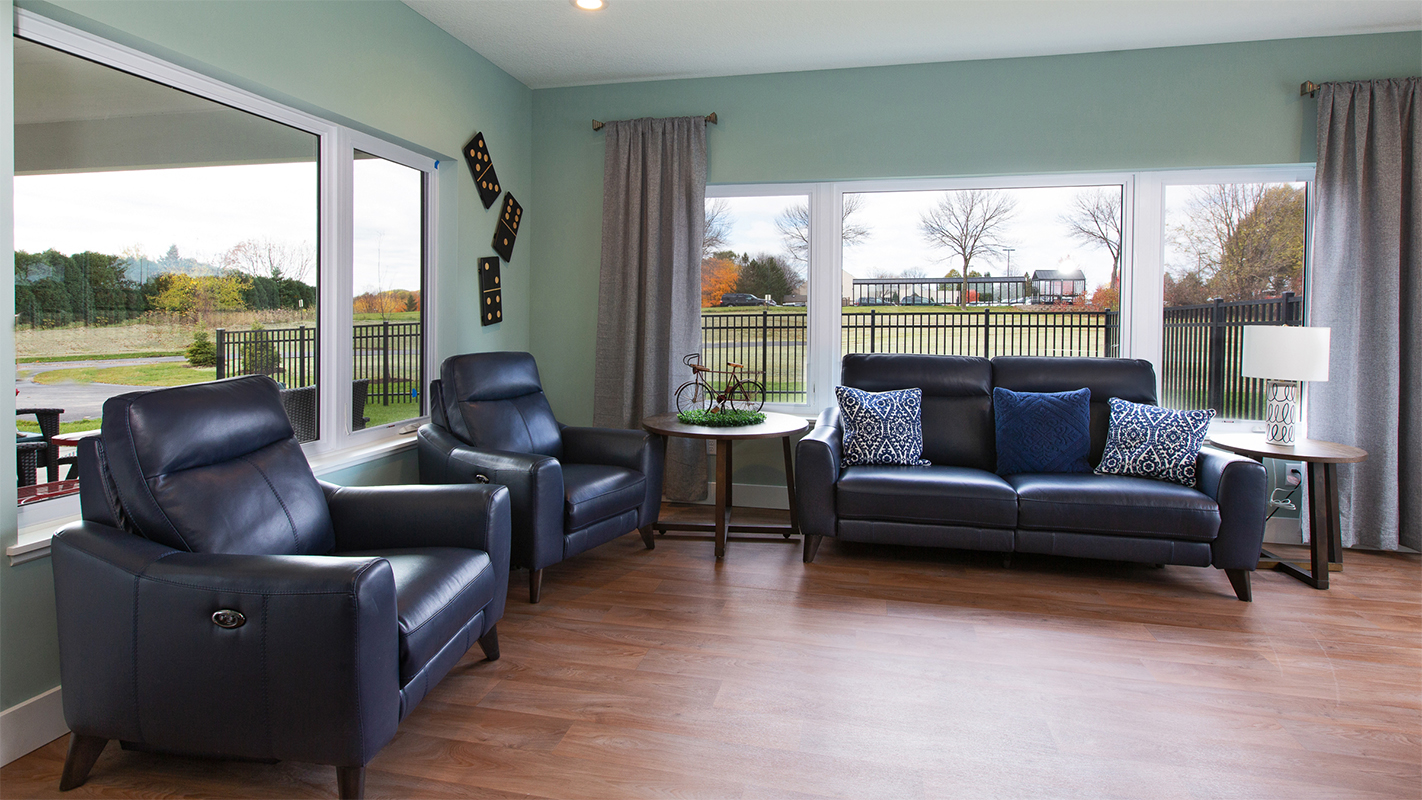
Third, guidance can be more continuous. Staff in these homes frequently mix roles: the individual cooking lunch may also redirect a resident who is fixating on the front door, address a repeated question, and hint somebody to utilize the toilet, all within the exact same ten minutes. Formal staffing ratios vary by jurisdiction, however functionally you often see more real-time guidance because personnel are not as scattered.
Finally, safety equipment can be integrated more discreetly. Doors can be alarmed or disguised, outside spaces can be totally enclosed, and assistive gadgets can be kept close at hand without making the space feel like a healthcare facility unit. When a resident tries to leave, that alarm does not need to take on dozens of other sounds.
None of this eliminates risk. Someone identified to wander will check every border. Falls never vanish totally. Medication programs can be complicated. Yet the combination of scale, sightlines, and constant interaction typically leans toward faster intervention when something begins to go wrong.
Comfort: the power of a familiar-feeling home
Physical safety is only the starting point. Comfort is what enables a person with dementia to relax into a regular, consume, sleep, and get involved instead of constantly feeling on edge.
A well-run small dementia care home normally has a number of components that create convenience almost unconsciously:
The environment looks like a typical home. Homeowners see sofas, a tv, family-style dining, and a noticeable kitchen area. Cabinets might be locked, and there may be discreet security gadgets, but the overall impression is domestic. For somebody who spent their adult life in a house, that familiarity decreases the psychological barrier to settling in.
Noise is more manageable. Cognitive impairment makes it more difficult to filter background sounds. In a big memory care neighborhood, overlapping tvs, overhead pages, loud visitors, and rolling carts can blend into a consistent hum that homeowners can not escape. In a little home, there may still be sound, yet it is most likely to be one conversation, a radio, or the clatter of a single meal service. Personnel can regulate it rapidly when they see agitation rising.
Personal products are much easier to incorporate. Memory care advantages when homeowners are surrounded by hints from their own life: family pictures, a favorite blanket, a familiar design of chair. In a small home, there is frequently more versatility to tailor a bedroom, keep beloved items nearby, and change the layout around someone's requirements without disrupting lots of others.
Care jobs can be woven into daily life. Rather of a bath happening on a stringent schedule on a big tub room's rotation, a caretaker might assist a resident shower at the time of day that fits their lifelong pattern, then move straight to cream, pajamas, and a cup of tea. The limit in between "care" and "living" softens, which many residents experience as less intrusive.
For families, convenience likewise includes their own experience. Walking into an environment that smells like food rather of disinfectant, where they can sit at the kitchen table during a visit, typically reassures them that their loved one remains in a really lived-in area, not simply housed.
Calm: routines, relationships, and psychological safety
Calm is harder to determine than fall rates or medication errors, however for individuals dealing with dementia, it is simply as crucial. Emotional overload causes behaviors that are often labeled "agitation" or "resistance to care," when in reality the individual is merely overwhelmed or not able to communicate a need.
Small-scale dementia care homes can support calm in a number of interconnected ways.
Daily routines tend to be more flexible and relational. Instead of large-group activities on the hour, the rhythm of the day can follow the residents. One person may sleep late, another may be most engaged right after breakfast, and a third might choose quiet mornings and more movement in the afternoon. In a small home, personnel can see those patterns and adjust, rather than pushing everyone through a single schedule.
Relationships deepen quicker. With less citizens, caretakers are familiar with each person's life story, choices, and triggers in real information: who worked nights and still wakes at 2 a.m.; who ends up being nervous if they do not hold something in their hands; who calms quickly when provided a particular song or a familiar task like folding towels. That knowledge enables them to defuse circumstances before they escalate.
The environment produces less "secret" stimuli. Weird faces, big crowds, and constant movement can all stimulate anxiety in somebody with dementia. In a little home, the cast of characters is smaller and more stable. Residents often start to recognize personnel by voice and routine, even when name acknowledgment has actually faded, which supports a sense of security.
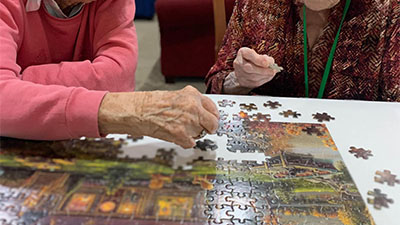
There is also room for citizens to just be themselves. Not everybody prospers on structured activity. Some individuals are content to sit with a newspaper they can no longer totally check out, listen to a radio, or see birds outside a window. Calm does not constantly mean active engagement. The secret is that personnel can look for distress, deal choices, and carefully welcome involvement, without forcing continuous stimulation.
Families usually see subtle signs first. The loved one who formerly paced for hours might now snooze in the afternoon. The one who refused showers at home may accept help more easily from a constant caretaker. The tone of voice on call shifts from worried or puzzled to softer, even if words are fragmented.
How little homes differ from traditional assisted living and memory care
Traditional assisted living communities typically deal with a broader population: older grownups who need help with everyday activities however may or may not have dementia. Many now include dedicated memory care wings, often protected, to serve homeowners with substantial cognitive impairment.
Those settings can offer advantages. They might have on-site nurses, treatment services, and respite care beehivehomes.com a menu of group activities. There is usually more physical space, with yards, libraries, and workout rooms. Some households appreciate the sense of a bigger community.
The disadvantages, especially for moderate to innovative dementia, frequently connect to scale and harmony. Staff projects may turn often, making connection harder. Policies created for lots of residents can feel rigid when applied to individuals. And even with good training, it is challenging to keep a calm, personalized environment for a a great deal of individuals whose requires shift throughout the day.
Small-scale dementia care homes sit someplace in between standard assisted living and a household home. They are usually certified to offer personal care and guidance similar to assisted living, however they focus practically specifically on memory care. That focus shapes everything from staffing to menus to activity planning.
It is practical to think about them as specialized micro-environments rather than miniaturized versions of big facilities. The goal is not simply less residents, but a various method of organizing day-to-day life.
The function of respite care in little homes
Respite care is frequently the lifeline that keeps family caregivers going. It gives them time to rest, handle their own medical needs, travel, or just recharge. Small dementia care homes in some cases offer short-stay respite options, and when they do, the experience can be particularly valuable.
For the person coping with dementia, a quick stay in a small home introduces them to a setting that may eventually end up being long-term. The staff can observe how they react, which behaviors emerge, and what comforts them. Households receive feedback that is often more nuanced than "they did fine" or "they wandered a lot," since the ratio of staff to locals allows closer observation.
For the caretaker at home, respite in a little setting can lower the psychological barrier to utilizing outdoors help. Leaving a partner or parent in a large, hospital-like center for a week can feel extreme, even when everybody agrees it is required. Dropping them at a home where they are welcomed in the living-room and provided coffee at the table frequently feels more like delegating them to extended family.
One useful point: respite beds in little dementia care homes are restricted and may reserve rapidly, particularly around holidays. Households do better when they think of respite before a crisis, tour alternatives, and get on waitlists early, instead of scrambling after burnout has already set in.
Staffing, training, and the real cost of "little and familiar"
None of the advantages of a small design appear amazingly. They come from staffing and training choices, and those options have cost implications.
Caregivers in little dementia homes usually wear multiple hats. They might help with dressing and bathing, prepare meals, lead easy activities, handle laundry, and collaborate with visiting nurses or therapists. This broad role allows them to stay close to residents and see changes early, but it likewise demands solid training in dementia care, communication, and standard health monitoring.
The best homes invest in continuous education. New staff may shadow skilled workers for weeks. Teams find out how to respond to behaviors without restraint or conflict, how to adapt communication as language declines, and when to escalate issues to medical companies. That level of training minimizes crises and hospital transfers, however it increases operating costs.
From a monetary perspective, households often find that small home dementia care sits at or above the high-end of conventional assisted living. There is less capability to spread fixed expenses over dozens of citizens. Staffing ratios can be more detailed, food is frequently prepared in-house, and the property itself might be in a residential area with higher real estate expenses.
The trade-off is value rather than cost alone. A larger assisted living neighborhood may charge a lower base rate, then include dementia care "levels" of service charges as requirements increase. A little home may have a higher but more inclusive rate, with fewer add-ons. It is very important to compare overall month-to-month costs, not just the marketed base price.
Families also need to ask about sustainability: How does the home handle staffing shortages? What is their backup strategy if a caregiver calls off in the evening? Is the owner actively included, or is this one residential or commercial property among lots of? A small census makes a home more personal, but it can likewise make it susceptible if management is weak.
Who thrives in a small dementia care home, and who may not
No single setting fits everyone with dementia. Little homes work best for certain profiles.
People with moderate dementia who are socially likely typically do extremely well. They can connect with a little peer group, delight in shared meals, and take advantage of a calm environment without feeling isolated. Those who react to regular and like familiar environments tend to settle quickly.
Individuals with considerable roaming, exit-seeking, or nighttime wakefulness may also benefit, because staff can observe and redirect more without delay. Enclosed backyards, doors within sight of caregivers, and the capability to customize nighttime routines all support safety.
Families who value a home-like environment and close relationships with caregivers, and who wish to visit in an unwinded environment, generally feel lined up with this model.
On the other hand, some individuals may need more than a little home can offer. Advanced medical needs that require 24-hour nursing, frequent IV medications, or complex injury care typically point towards skilled nursing centers. Really introverted individuals who choose solitary space may feel overstimulated even by a small group, though this can often be attended to with thoughtful space positioning and peaceful time.
There are also practical restraints. Little homes are not evenly distributed geographically. In some areas, there might be none, or only a couple of with long waitlists. Expense can be a limiting element, specifically for those relying exclusively on public advantages, given that many little homes are private-pay, at least initially.
The key is to evaluate not just the medical diagnosis but the person: their history, character, health profile, and the family's expectations.
How to evaluate a small-scale dementia care home
Touring potential homes can feel overwhelming, especially when families are under pressure to make quick decisions. A short, focused checklist helps keep attention on what matters most.
Here is a streamlined on-site visit list that numerous families discover practical:
- Notice the environment in the very first one minute: odor, sound level, and personnel tone.
- Watch how personnel speak to locals: eye contact, patience, and whether they utilize names.
- Look in the kitchen and dining location: is food fresh, and do mealtimes feel relaxed.
- Observe residents' body movement: do they seem primarily calm, or tense and restless.
- Ask yourself, "Might I spend an afternoon here and feel comfortable."
Equally important are the conversations you have with the supervisor or owner. Written policies look excellent, however how they are executed makes the distinction between theory and reality.
Consider these core concerns to ask the management group:
- How many locals live here, and the number of staff are normally on duty by day and by night.
- What specific dementia care training do personnel get at first and on an ongoing basis.
- How do you handle medical emergencies, sudden behavior modifications, and medical facility transfers.
- What is your policy on visitors, specifically at nontraditional hours or throughout times of resident distress.
- Can you share examples of how you have adjusted regimens for homeowners with unique needs.
The responses will provide you insight into the culture of the home, not simply its amenities. A manager who answers gradually however specifically, even about past challenges, is generally more reliable than one who provides perfect-sounding however unclear assurances.
Integrating little homes into the more comprehensive senior care journey
Dementia care hardly ever follows a straight line. People move in between settings: from living at home with family assistance, to part-time adult day programs, to regular respite care, and eventually to full-time residential care. Hospitalizations and rehabilitation stays typically disrupt the rhythm.
Small-scale dementia care homes can play a number of functions in this wider journey. For some, they are the first residential action beyond family care, utilized initially for respite and after that for full-time house when needs grow. For others, they provide a bridge in between basic assisted living and proficient nursing, particularly when cognitive decline surpasses physical decline.
When families believe proactively about the entire trajectory of senior care, they can utilize small homes more strategically instead of as a last-ditch alternative. That may suggest:
Starting conversations before a crisis, so trust and familiarity construct gradually.
Using short respite stays as trial runs, to see how a loved one reacts and to gather professional insights.
Planning for monetary shifts, such as when personal funds run low and public benefits or alternate settings need to be considered, instead of waiting until accounts are almost depleted.
Coordinating with physicians, neurologists, and care managers, so the dementia care home enters into a coherent strategy instead of a separated placement.
The main thread through all of this is regard: for the person with dementia, for the household's limits, and for the realities of what various types of senior care can and can not provide.
Small-scale dementia care homes, when well created and well led, use an unusual combination of security, comfort, and calm. They do not remove the losses that feature dementia, but they can soften the edges, maintain more of the person's identity, and make life more habitable for everybody included. For numerous households, that distinction feels less like a service choice and more like a form of shared humanity.
BeeHive Homes of Maple Grove provides assisted living care
BeeHive Homes of Maple Grove provides memory care services
BeeHive Homes of Maple Grove is a memory care home for seniors
BeeHive Homes of Maple Grove provides respite care services
BeeHive Homes of Maple Grove offers 24-hour support from professional caregivers
BeeHive Homes of Maple Grove offers private bedrooms with private bathrooms
BeeHive Homes of Maple Grove provides medication monitoring and documentation
BeeHive Homes of Maple Grove serves dietitian-approved meals
BeeHive Homes of Maple Grove provides housekeeping services
BeeHive Homes of Maple Grove provides laundry services
BeeHive Homes of Maple Grove offers community dining and social engagement activities
BeeHive Homes of Maple Grove features life enrichment activities
BeeHive Homes of Maple Grove supports personal care assistance during meals and daily routines
BeeHive Homes of Maple Grove promotes frequent physical and mental exercise opportunities
BeeHive Homes of Maple Grove provides a home-like residential environment
BeeHive Homes of Maple Grove creates customized care plans as residents’ needs change
BeeHive Homes of Maple Grove assesses individual resident care needs
BeeHive Homes of Maple Grove accepts private pay and long-term care insurance
BeeHive Homes of Maple Grove assists qualified veterans with Aid and Attendance benefits
BeeHive Homes of Maple Grove encourages meaningful resident-to-staff relationships
BeeHive Homes of Maple Grove delivers compassionate, attentive senior care focused on dignity and comfort
BeeHive Homes of Maple Grove has a phone number of (763) 310-8111
BeeHive Homes of Maple Grove has an address of 14901 Weaver Lake Rd, Maple Grove, MN 55311
BeeHive Homes of Maple Grove has a website https://beehivehomes.com/locations/maple-grove/
BeeHive Homes of Maple Grove has Google Maps listing https://maps.app.goo.gl/n99VhHgdH879gqTH8
BeeHive Homes of Maple Grove has Facebook page https://www.facebook.com/BeeHiveMapleGrove
BeeHive Homes of Maple Grove won Top Memory Care Homes 2025
BeeHive Homes of Maple Grove earned Best Customer Service Award 2024
BeeHive Homes of Maple Grove placed 1st for Senior Living Memory Care Communities 2025
People Also Ask about BeeHive Homes of Maple Grove
What is the monthly room rate at BeeHive Homes of Maple Grove?
The monthly rate depends on each resident’s care needs, room selection, and personalized care plan. Before move-in, we complete an initial assessment to better understand your loved one’s health, safety, mobility, personal care, and memory care needs. From there, we provide clear pricing based on the level of support required. Our goal is to keep families informed with transparent pricing and no hidden fees.
Does BeeHive Homes of Maple Grove only offer Memory Care?
BeeHive Homes of Maple Grove offers enhanced assisted living with specialized memory care support. We are experienced in caring for seniors living with Alzheimer’s, dementia, and other forms of memory loss, while also welcoming residents who may not have a dementia diagnosis but would benefit from a secure, highly personalized care environment. Our homelike setting is especially helpful for seniors who are earlier in their dementia journey, as well as those who need extra structure, daily support, meaningful routines, and compassionate oversight. Each resident receives care tailored to their needs, helping them feel safe, supported, and truly at home.
Can residents stay at BeeHive Homes through the end of life?
In many cases, yes. Our goal is to help residents remain in a familiar, comforting environment for as long as we can safely meet their needs. There may be exceptions if a resident requires 24-hour skilled nursing services or has needs that cannot be safely supported in our memory care setting. When care needs change, our team works closely with families, physicians, hospice providers, and other care professionals to help make the next step as smooth and compassionate as possible.
Do you have nurses on staff?
Yes. BeeHive Homes of Maple Grove has a team of Registered Nurses who provide care oversight, assessments, care planning, and coordination with other healthcare professionals. The typical RN schedule is Monday through Friday from 7:00 AM to 6:00 PM and weekends from 9:00 AM to 5:30 PM, with a Registered Nurse on call after hours. This helps families feel confident that their loved one’s changing memory care needs are being monitored with attention and compassion.
What are the visiting hours at BeeHive Homes of Maple Grove?
Family and friends are welcome to visit anytime. Because routine is especially important for residents with memory loss, we encourage visitors to avoid scheduled meal times when possible: 8:00 AM, 11:30 AM, and 4:30 PM. Visits are an important part of helping residents feel connected, loved, and at home.
Are the rooms private?
Yes. Residents enjoy private memory care suites with fully accessible bathrooms. Families are encouraged to personalize the room with familiar furniture, photos, keepsakes, and comforting touches that help the space feel like their loved one’s own. BeeHive Homes of Maple Grove also offers accommodations for couples who wish to remain together, depending on availability./p>
How do I schedule a tour or learn more?
You can call BeeHive Homes of Maple Grove at 763-310-8111 to ask questions, discuss availability, or schedule a personal tour. Visiting in person is one of the best ways to experience the warmth of the home, meet the care team, and see whether BeeHive Homes is the right fit for your loved one.
What makes BeeHive Homes of Maple Grove different from larger memory care communities?
BeeHive Homes of Maple Grove offers memory care in a smaller, more personal residential setting. Residents are known by name, supported according to their individual routines, and cared for in a warm environment that feels like home. From private suites and home-cooked meals to life enrichment activities and secure spaces, our approach is centered on comfort, dignity, and meaningful connection.
Where is BeeHive Homes of Maple Grove located?
BeeHive Homes of Maple Grove is conveniently located at 14901 Weaver Lake Rd, Maple Grove, MN 55311. You can easily find directions on Google Maps or call at (763) 310-8111 Monday through Sunday 7am to 7pm.
How can I contact BeeHive Homes of Maple Grove?
You can contact BeeHive Homes of Maple Grove by phone at: (763) 310-8111, visit their website at https://beehivehomes.com/locations/maple-grove, or connect on social media via Facebook
Visiting the Elm Creek Park Reserve provides a big outdoor environment for assisted living, memory care, senior care, and elderly care residents to explore nature on a peaceful respite care trip.